Reinforced for the heaviest loads.
Thicker deck boards, extra fasteners at the load points and a reinforced block pattern — built for steel, chemicals and heavy manufacturing where a standard pallet flexes or fails. We do not publish a fixed capacity chart; tell us the weight and what it is carrying and we spec the board count to suit.
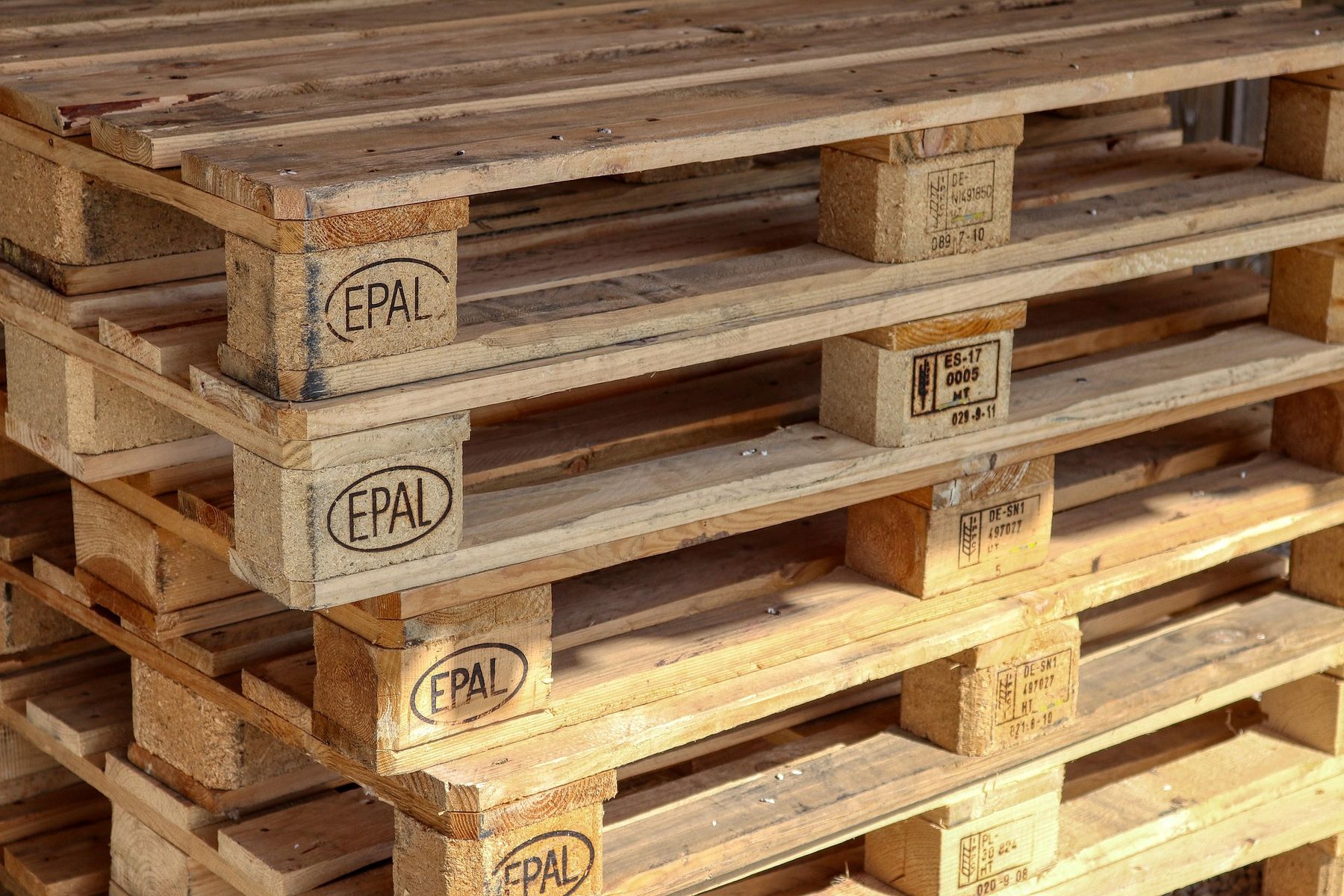
Machinery The three industries that account for most of what leaves this line.
Where the strength comes from
Three changes from a standard pallet, applied wherever your load needs them.
Thicker deck boards
Upgraded board thickness across the top deck so it does not bow under a concentrated load.
Extra fasteners
More nails exactly where the weight sits, not spread evenly — the points that actually see the stress.
Reinforced blocks
Denser block pattern underneath so the base does not crush under a forklift or racking point load.
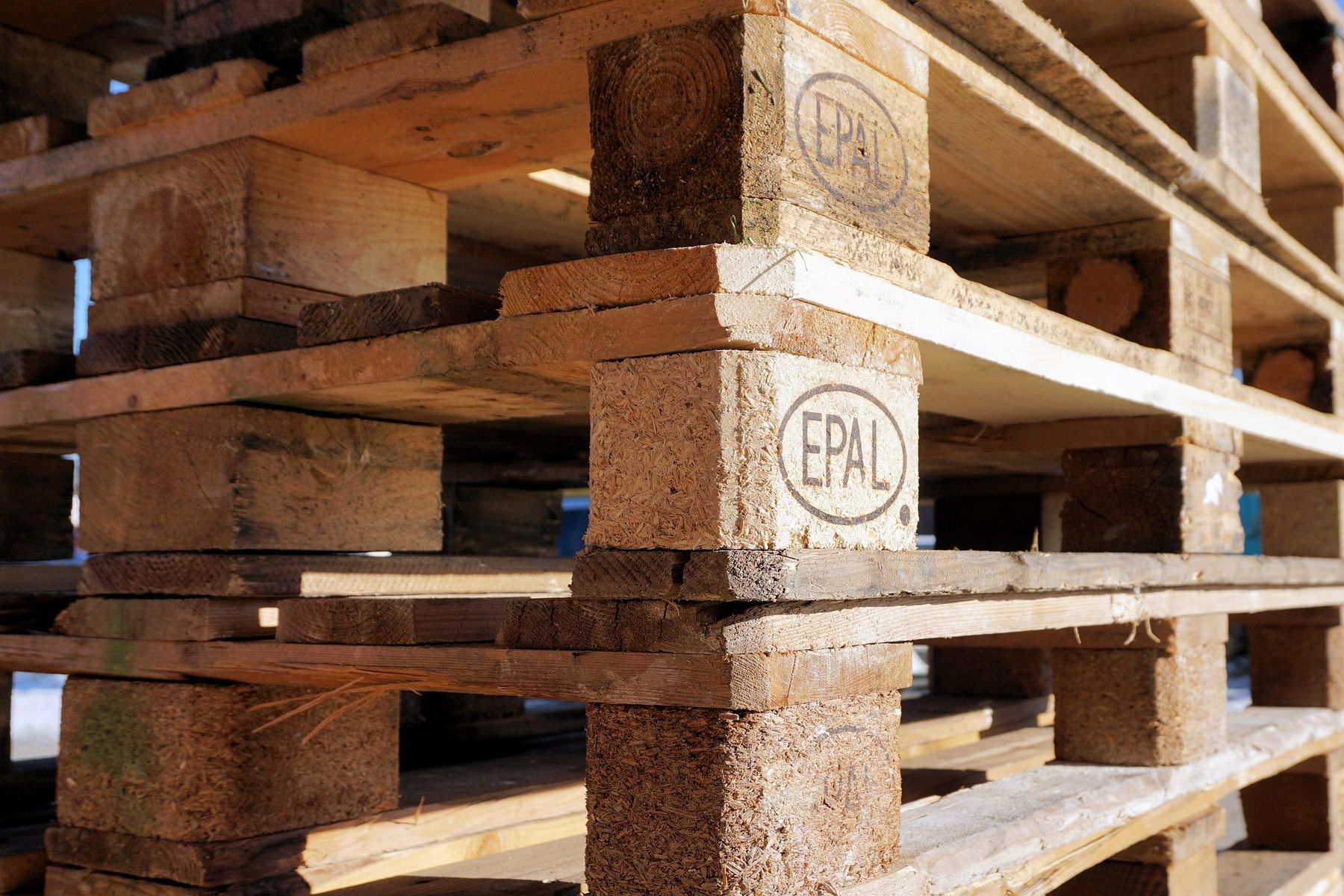
Tell us the load, we spec the build
There is no single "heavy duty" spec — a drum of chemicals and a steel coil load a pallet completely differently. Give us the weight, whether it is a point load or spread evenly, and whether it moves by forklift or crane, and we will tell you the board count and pattern that holds it.
Worth knowing
Why no published weight rating?
Capacity depends entirely on the build, and the build depends on the load. A published number would either undersell what we can build or oversell what a cheap version could actually hold — we would rather quote against your real weight.
Can heavy duty be built used?
Reinforcement is almost always specified new, since the board thickness and fastener pattern need to be exact. Ask and we will tell you honestly if a used option would hold your load.
What size can heavy duty be built?
Any size — see our custom sized pallets if it is not a standard footprint. Reinforcement scales with the drawing.
How fast can you turn around a heavy duty order?
Quotes go out the same working day. Once confirmed, the order is on the floor that week, large runs included.